Editorial
Print taught me that design without content strategy is decoration.


You can't redesign the pages without rethinking what goes on them
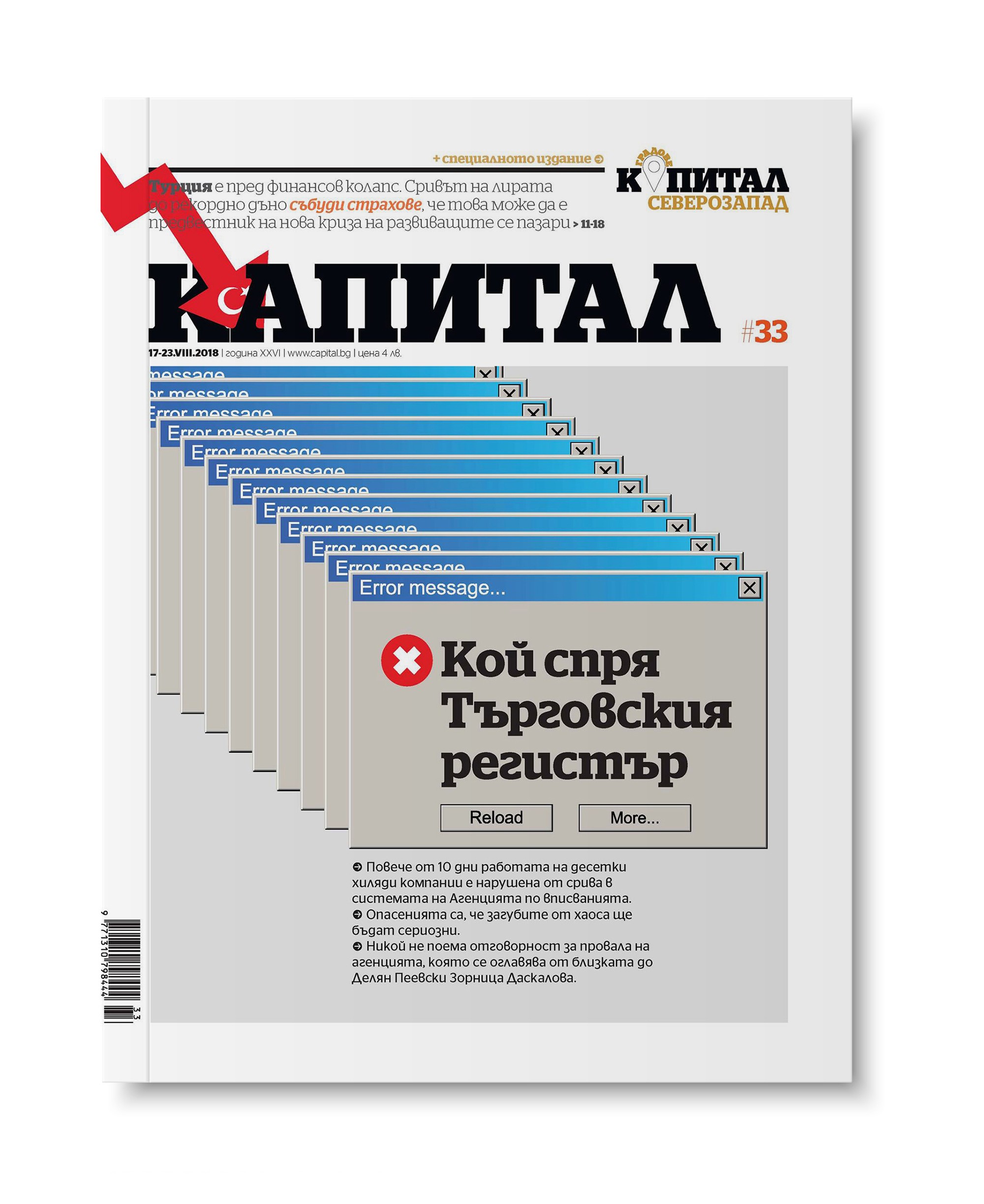
Bulgaria's leading economy newspaper for 23 years doesn't get redesigned lightly. The audience was loyal, the format was familiar - three sections, a specific rhythm, a relationship built over decades - and the previous redesign had been done by the same Spanish consultancy, Innovation Media Group, ten years earlier. Bringing them back meant the benchmark was already set, and the brief was to move a trusted institution forward without losing the readers who'd been with it the longest. The redesign ran parallel to a full newsroom reorganisation, because the content and the container had to change together - you can't redesign the pages without rethinking what goes on them. The result was a near-square magazine format: new covers, new infographics, new page architecture - every one art-directed personally. A team of 50 journalists, 8 preprint staff, 4 photographers, 4 proof-readers, and a circulation of 25,000 copies, each read by an average of four people. That's a hundred thousand readers trusting you to get it right.


Some books are records. This one was evidence.
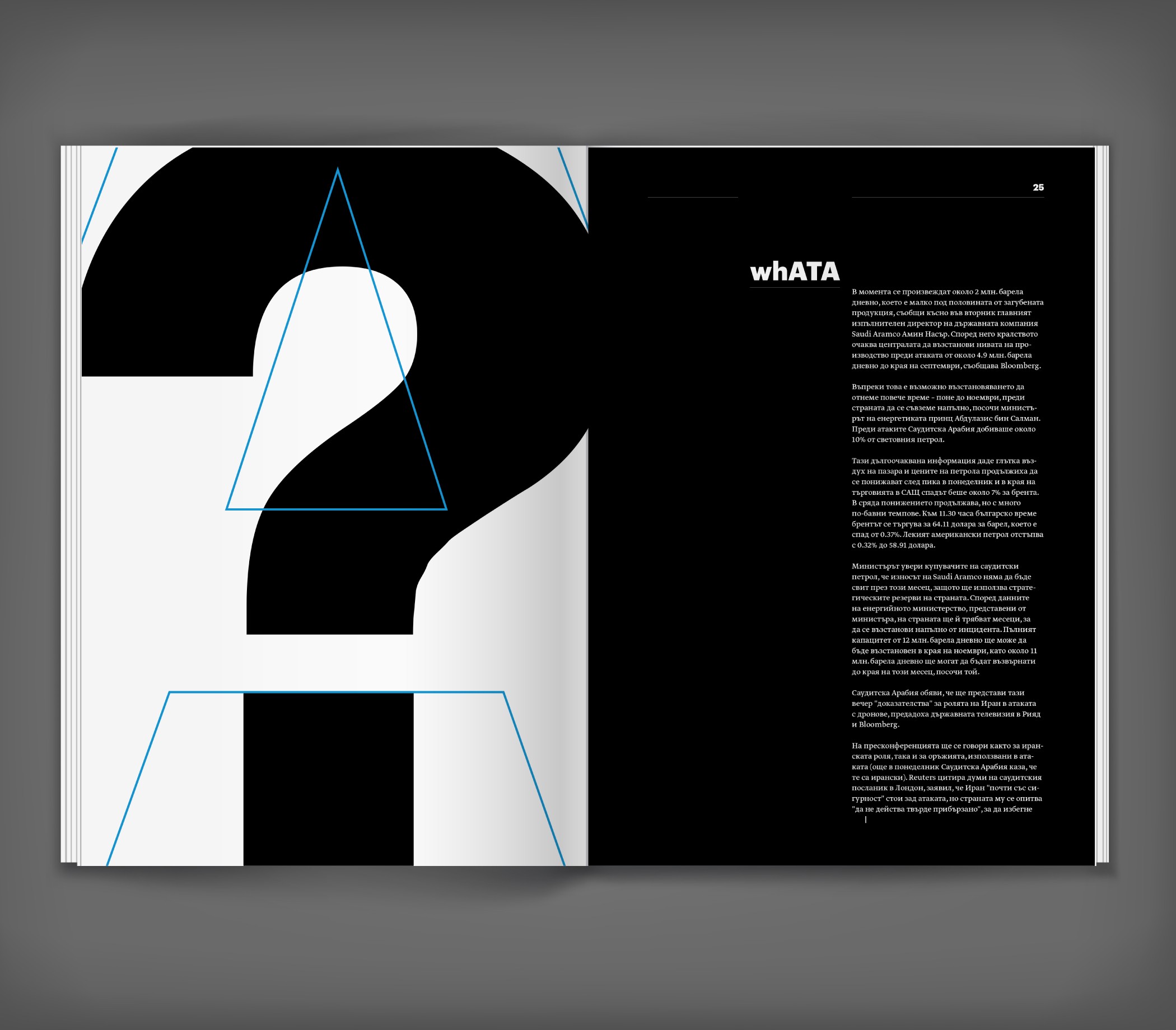
WhATA started as a blog and became the most credible architecture and urbanism awards platform in Bulgaria - built deliberately outside the compromised system of government and private contests. Ten years in, they needed a book. Not a catalogue, not a brochure - a document of how Bulgarian architecture rebuilt itself after the 2008 crisis, which left a visible scar on everything from private construction to municipal projects. The brief was to design something that architects, investors, and historians would reach for when they wanted to understand what happened to a country's built environment in a decade. That's a different kind of design problem than making something look good on a shelf.


Not a refresh. A reinvention.
The monthly society and leisure magazine of Economedia - Bulgaria's largest economy media group - had been running for 15 years when a new editor-in-chief arrived with a mandate that went further than most redesigns do. Not just new visuals, but new concept, new paper stock, new format, new content direction. When the editorial leadership changes and the brief is to reinvent rather than refresh, the design work becomes something closer to co-authorship. The previous redesign had been purely visual - this one had to earn its changes all the way through, from the cover logic to what kind of stories the magazine decided it was now allowed to tell.