Industry
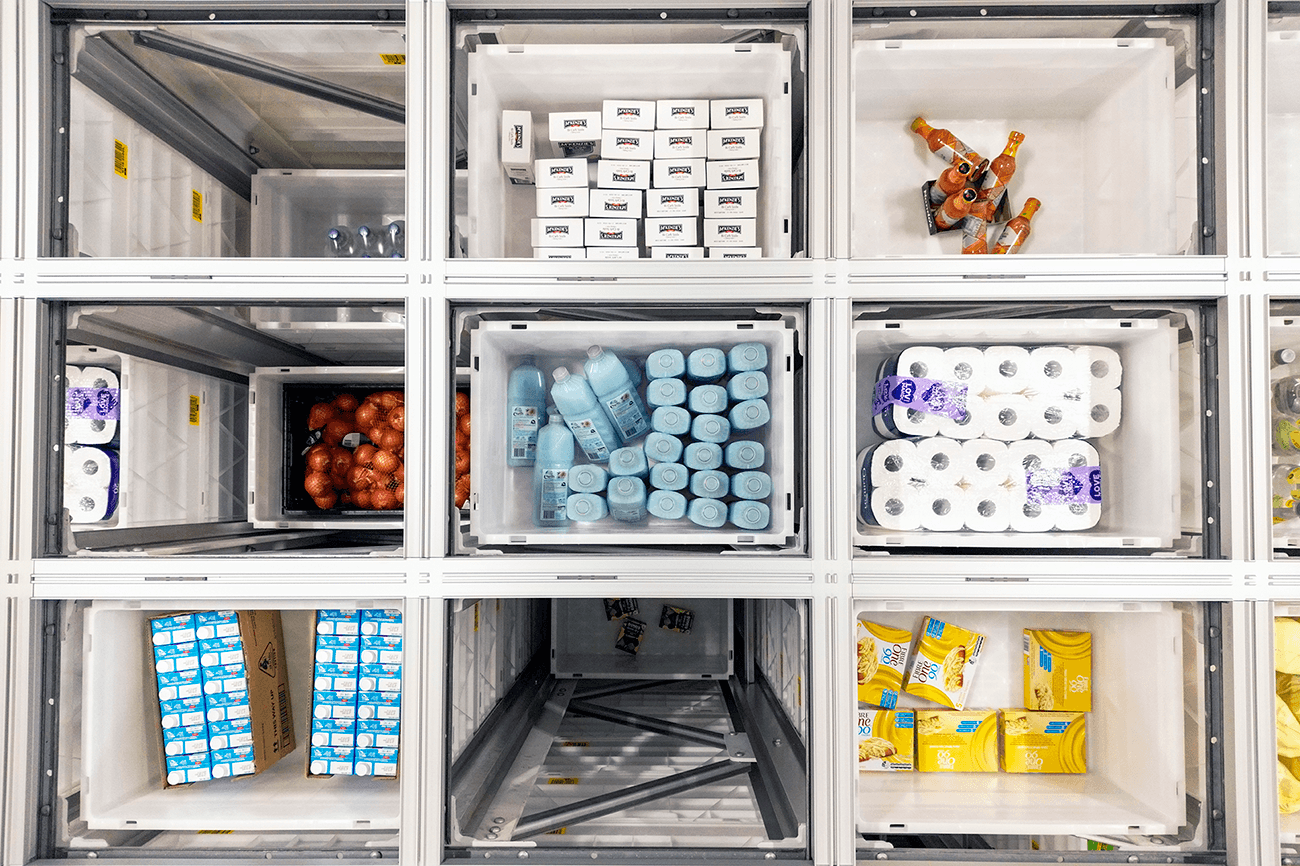
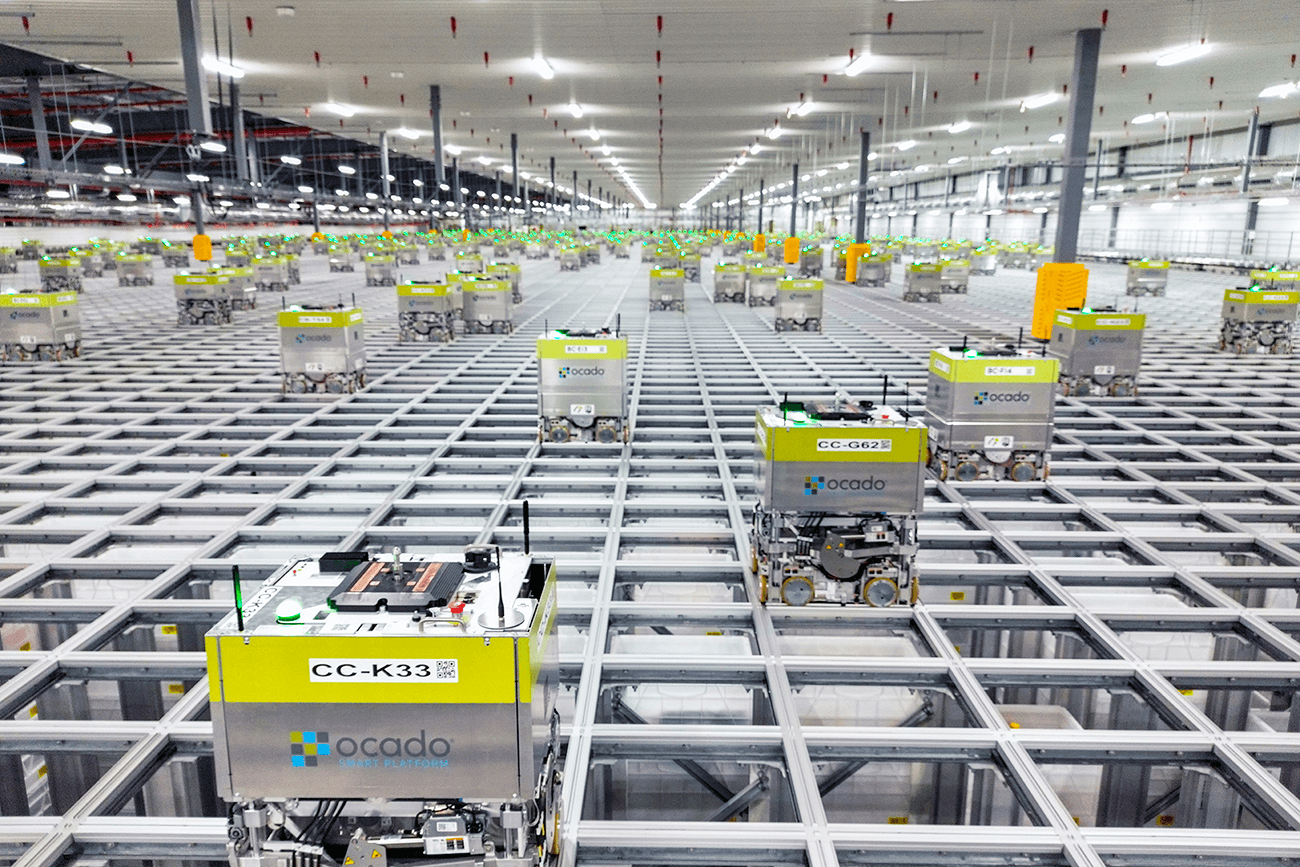
Automated warehouses / Ocado
CFC Reporting Re:Imagined
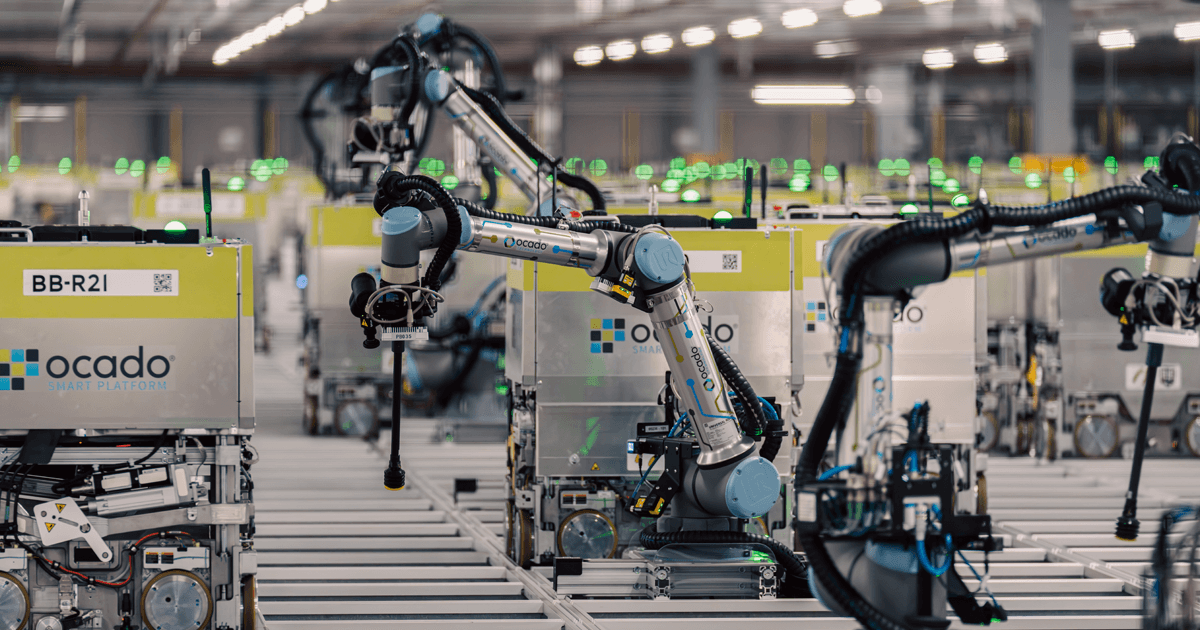
How redesigning the way operational managers consume information changed how decisions get made across Ocado's fulfilment network
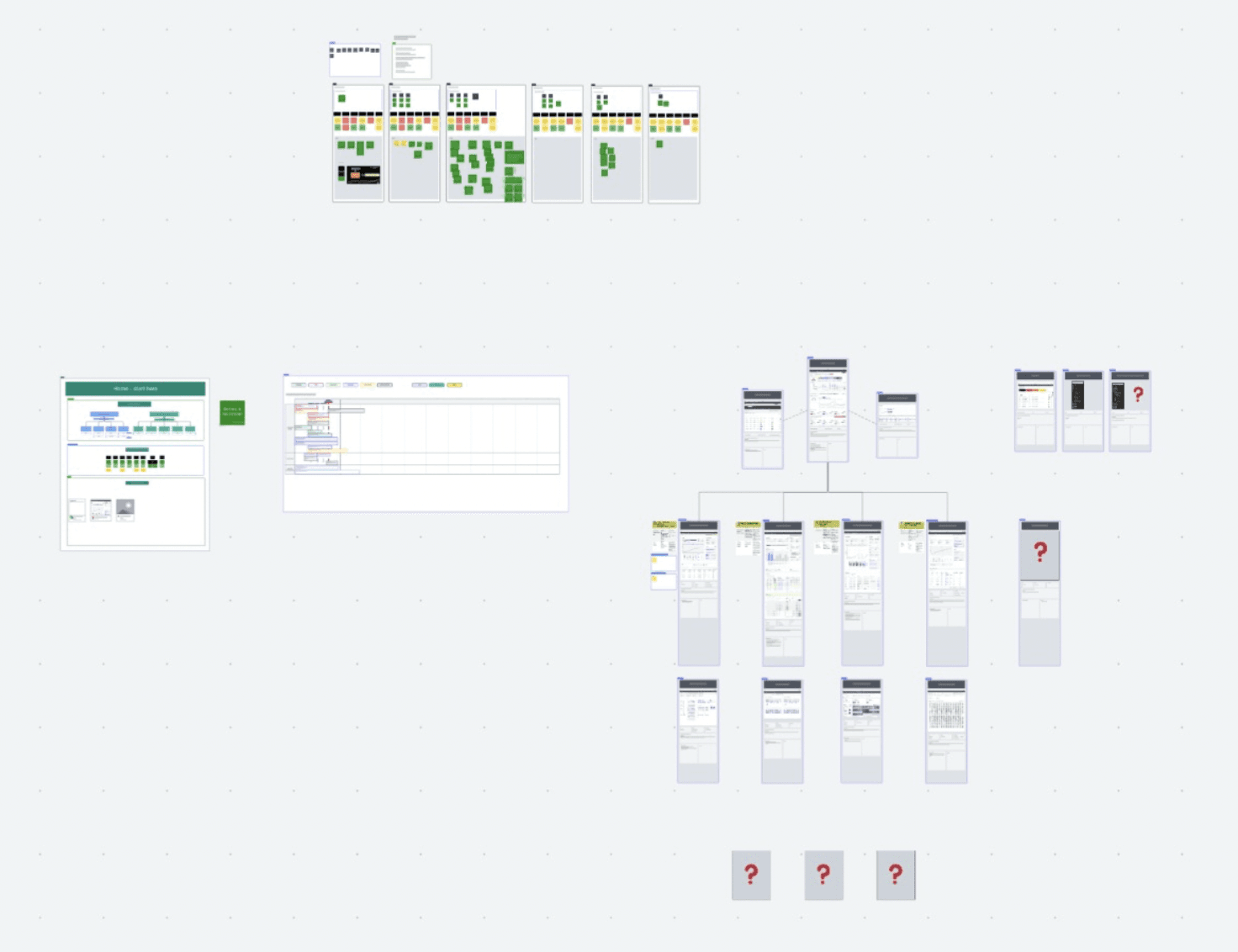
Ocado's fulfilment operations run on data - shift performance, robot throughput, exception handling, staffing. Over years of organic growth, the management layer had accumulated 67 separate reports. Managers were spending more time navigating competing data sources than making decisions. The system wasn't broken. It had just grown faster than anyone had designed it. The result looked a lot like a Boeing 747 cockpit. Every dial there for a reason. But the person in the seat needed years of training just to know which instruments to trust - and which to ignore.
My Role
Led this end-to-end as Principal UX Designer - from problem framing and stakeholder alignment through to design direction and handoff. Working alongside a team of 15 designers, embedded directly with Product and Engineering leads owning the management tooling layer.
Cold Open
Team
10 designers, Product, Engineering, Data team, Operational, Marketing, Business Stakeholders
My Role
Principal UX Designer - end-to-end lead, stakeholder alignment, design direction
Disciplines
UX, success metrics, information architecture, data visualisation, change management, facilitation
First of its kind
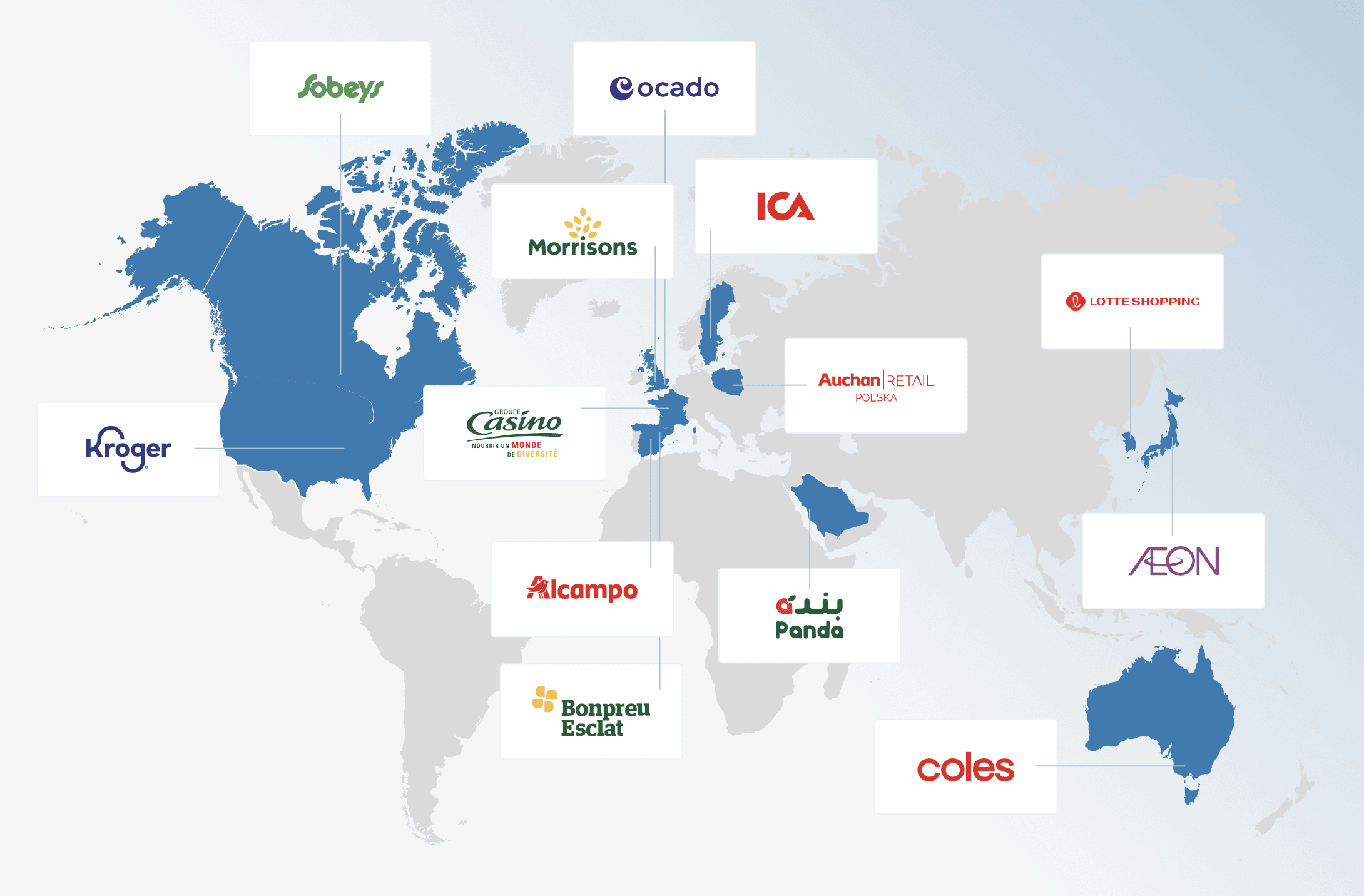
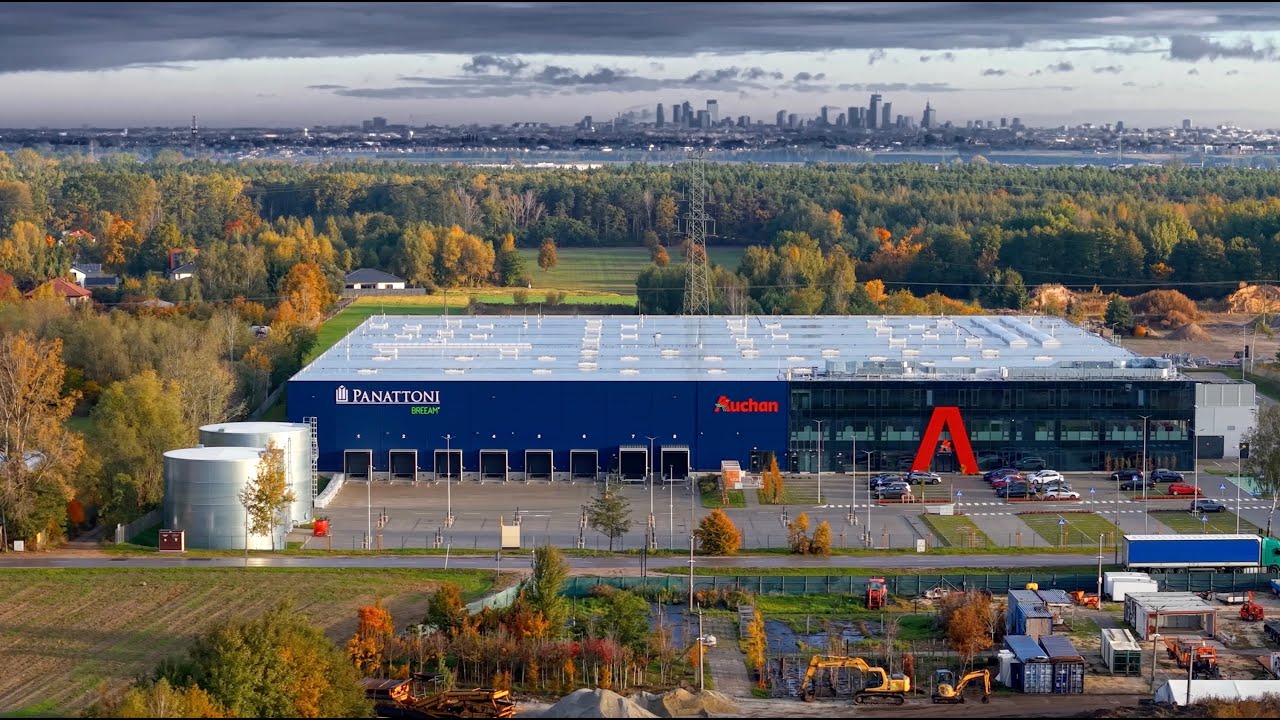
Kroger, Coles, ICA, Alcampo, Auchan and other global partners aligned.
The real problem
The project sounded like an information architecture problem. It wasn't. It was a change management problem wearing IA's clothes. Each report had an owner. Each owner had built something real - serving a specific need, often a specific stakeholder relationship. Reducing 67 to 12 wasn't just a design decision. It was an organisational one. The risk wasn't getting the design wrong. The risk was designing something technically correct that nobody would trust or adopt because it replaced something they'd built their working habits around.
The challenge
I didn't have a shared definition of what good decision-making looked like for an operational manager. Before redesigning anything, we had to build that understanding from scratch - which meant spending time not just with data, but with the managers themselves, in their context. The other challenge was harder to name at first: stronger voices were drowning out quieter ones, and business priorities were winning the room before user needs had a fair hearing. Creating the conditions where a product lead, a partner success manager, and a warehouse operator in Kroger's US network could have a genuinely productive disagreement - and move forward together - took longer than the design work itself.
What we did
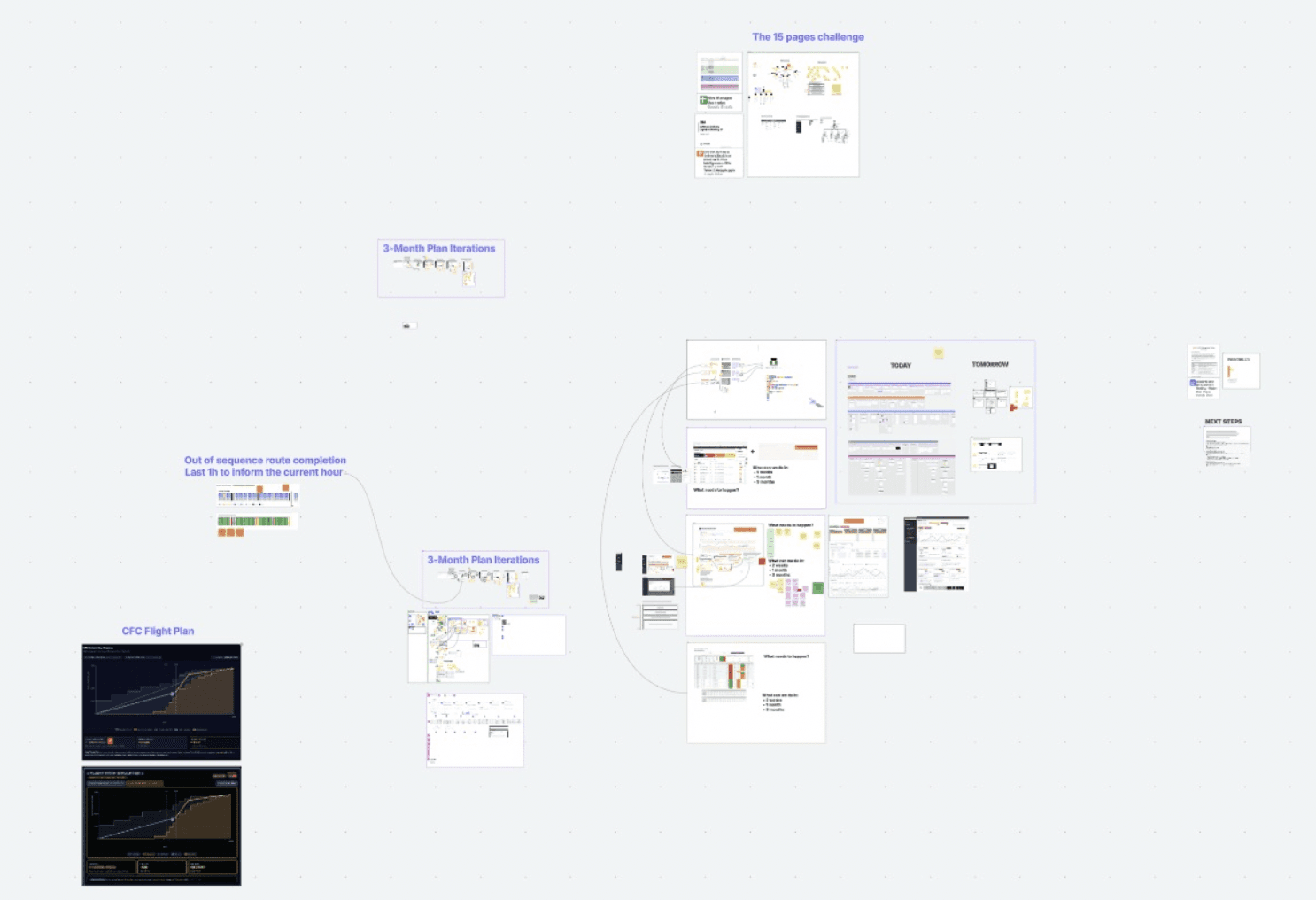
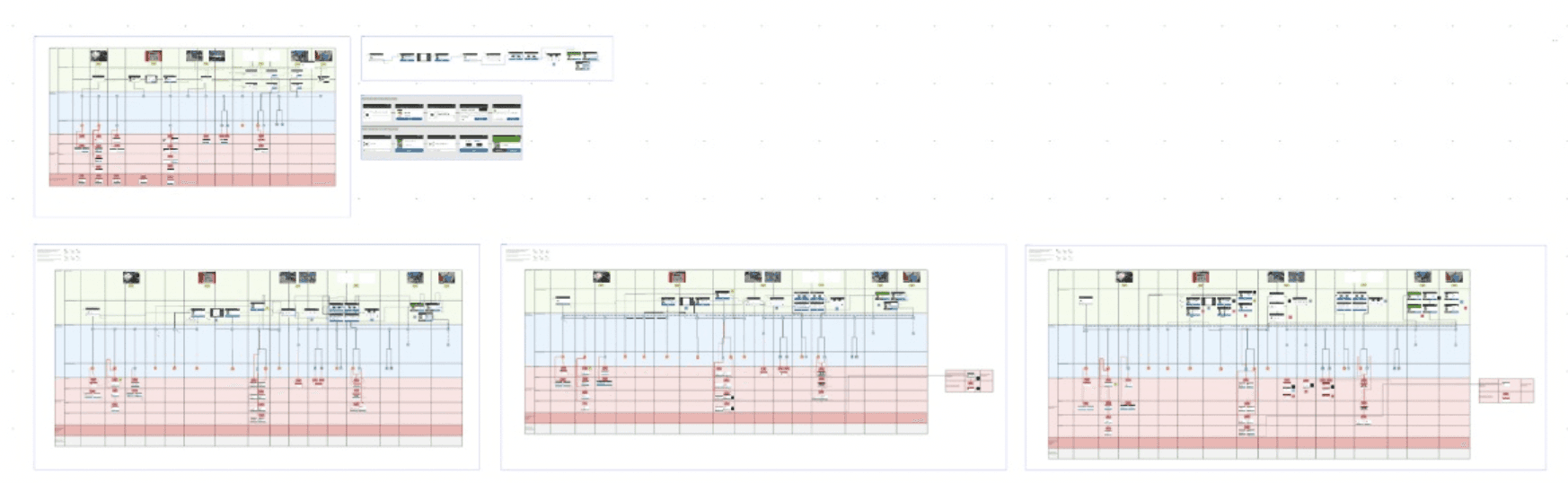
We went to the source. Time spent with operational managers across different site types - understanding not just what data they used, but when, why, and what they did with it. The pattern was consistent: managers weren't lacking data. They were lacking signal. That reframe - from reactive reporting to proactive signal - became the design principle that drove every decision from that point forward. Instead of asking "how do we reorganise 67 reports into fewer buckets?" we started asking "what does a manager need to know to run their shift well, and when do they need to know it?" From there: ruthless prioritisation. Partnering closely with Product and operational stakeholders to agree what mattered, pressure-testing assumptions with managers directly, and designing a reporting structure that reflected how decisions actually got made - not how data happened to be organised.
What changed
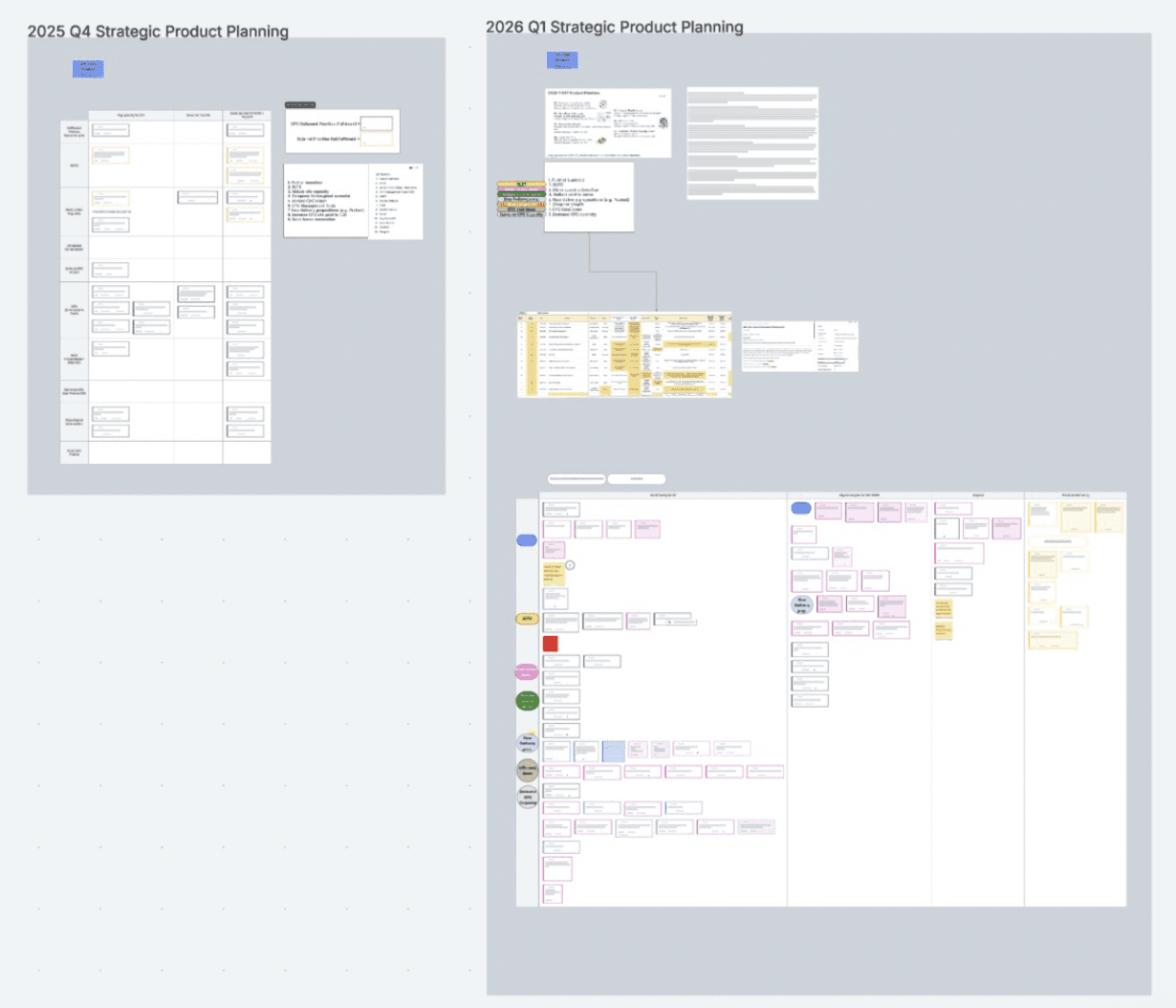
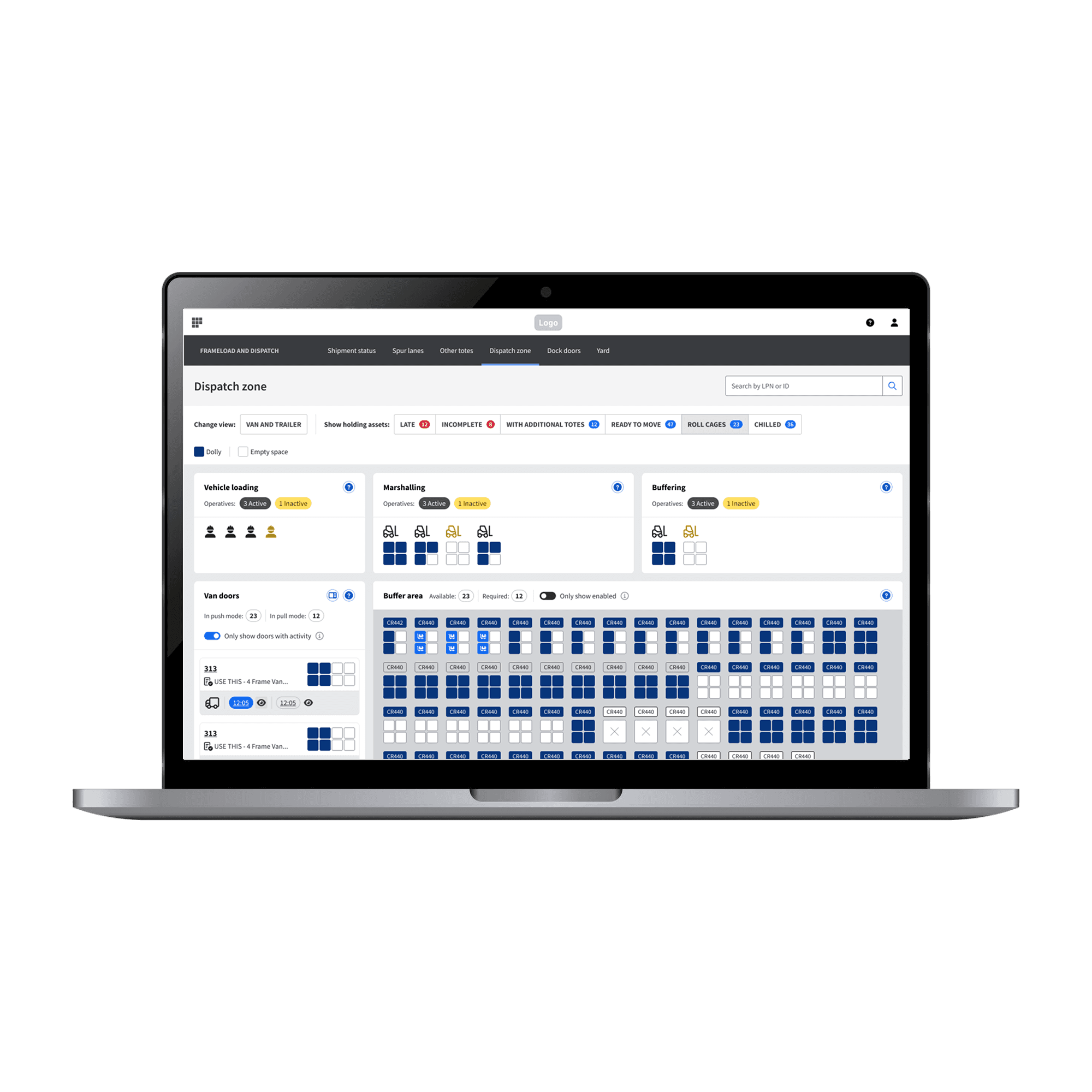
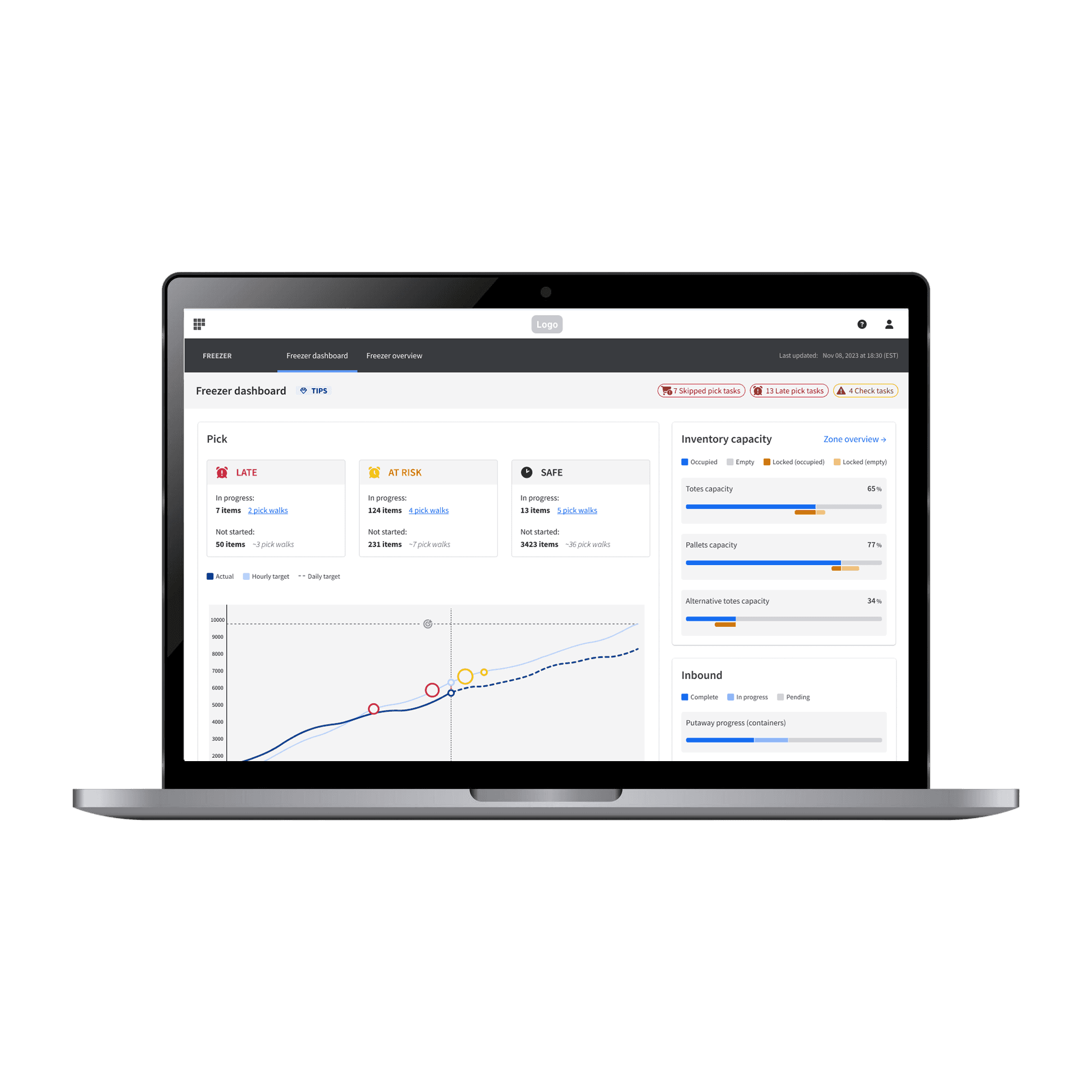
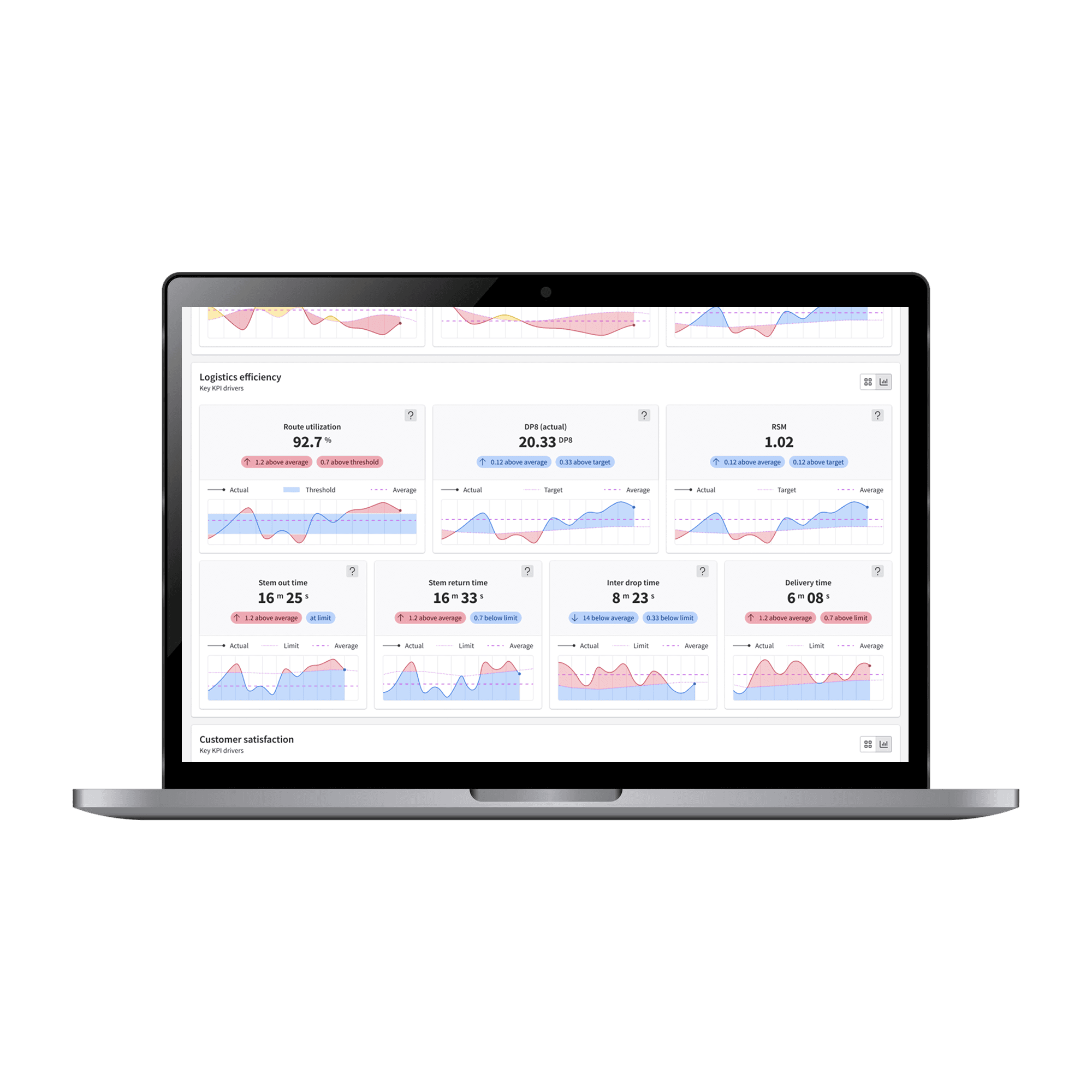
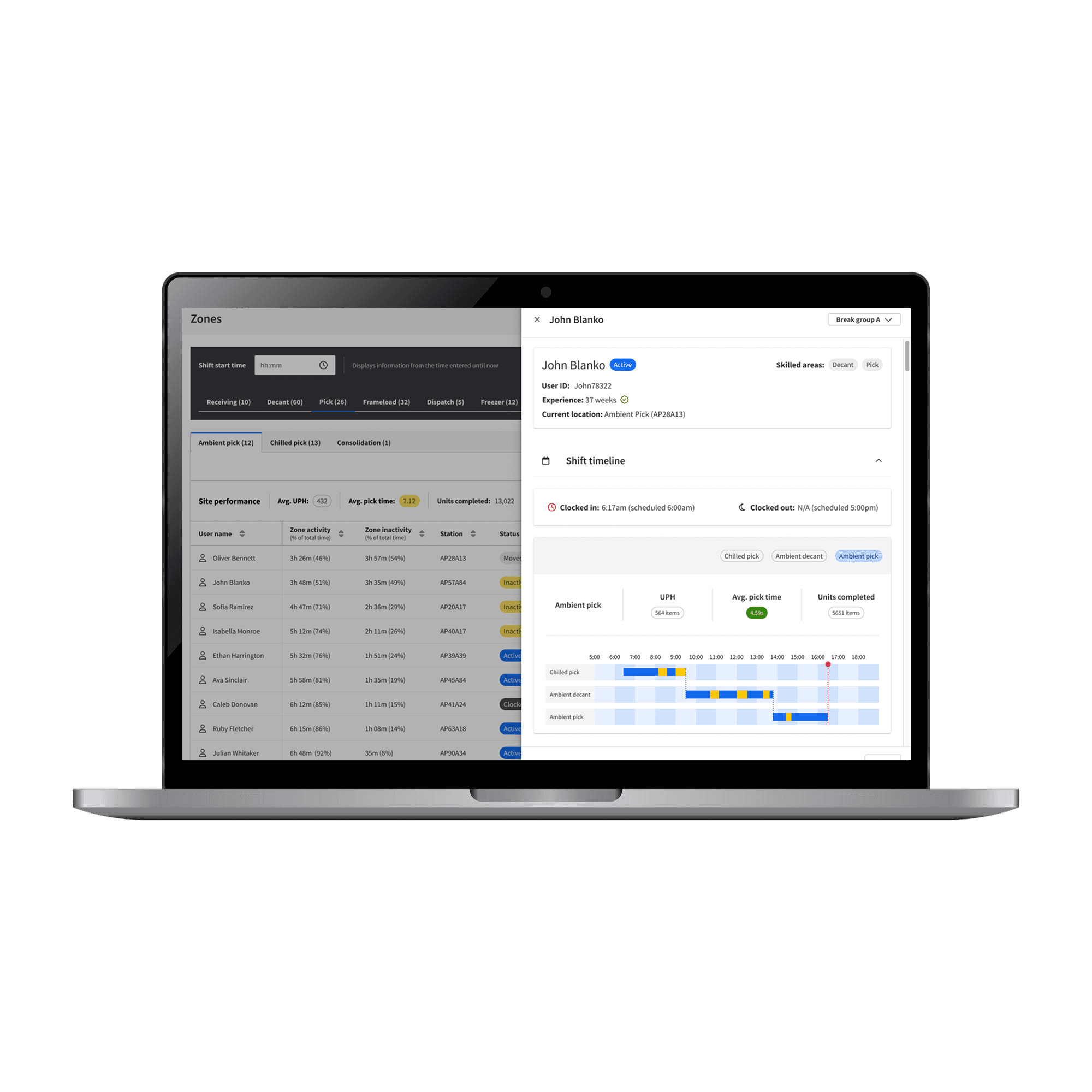
67 reports became 12 - with full buy-in from operational stakeholders and management leadership, validated directly with Ocado's biggest global grocery partners before rollout. Managers moved from navigating competing data sources to having a single, coherent view of what their shift needed. 80%+ operational efficiency gains across the fulfilment management layer. But the consolidation was never meant to be a one-time fix. The deeper outcome was a set of design principles for how Ocado would approach reporting going forward — a shared language, across every team that touched the manager experience, for what good looked like. We ran a roadshow. Felt a bit like being Adele. "Hello, it's me... again."
What I'd do Differently
We got to the right answer. The path was harder than it needed to be - and not for the reasons I expected. The challenge wasn't stakeholder alignment in the abstract. It was stronger voices drowning out quieter ones, and business priorities winning the room before user needs had a fair hearing. Creating the conditions for genuinely productive disagreement took longer than the design work itself. What I'd do differently: start the roadshow earlier, run it bigger. The principles advocacy we built worked well within the fulfilment product team - 500+ PMs, developers, UXers, marketing, propositions. But the thinking should have reached further, sooner. By the time we got to logistics, supply chain, and engineering productivity, some of the patterns we were trying to change were already baked in. An earlier, wider forum would have caught that.