Industry
Technology
The team didn't exist when I arrived
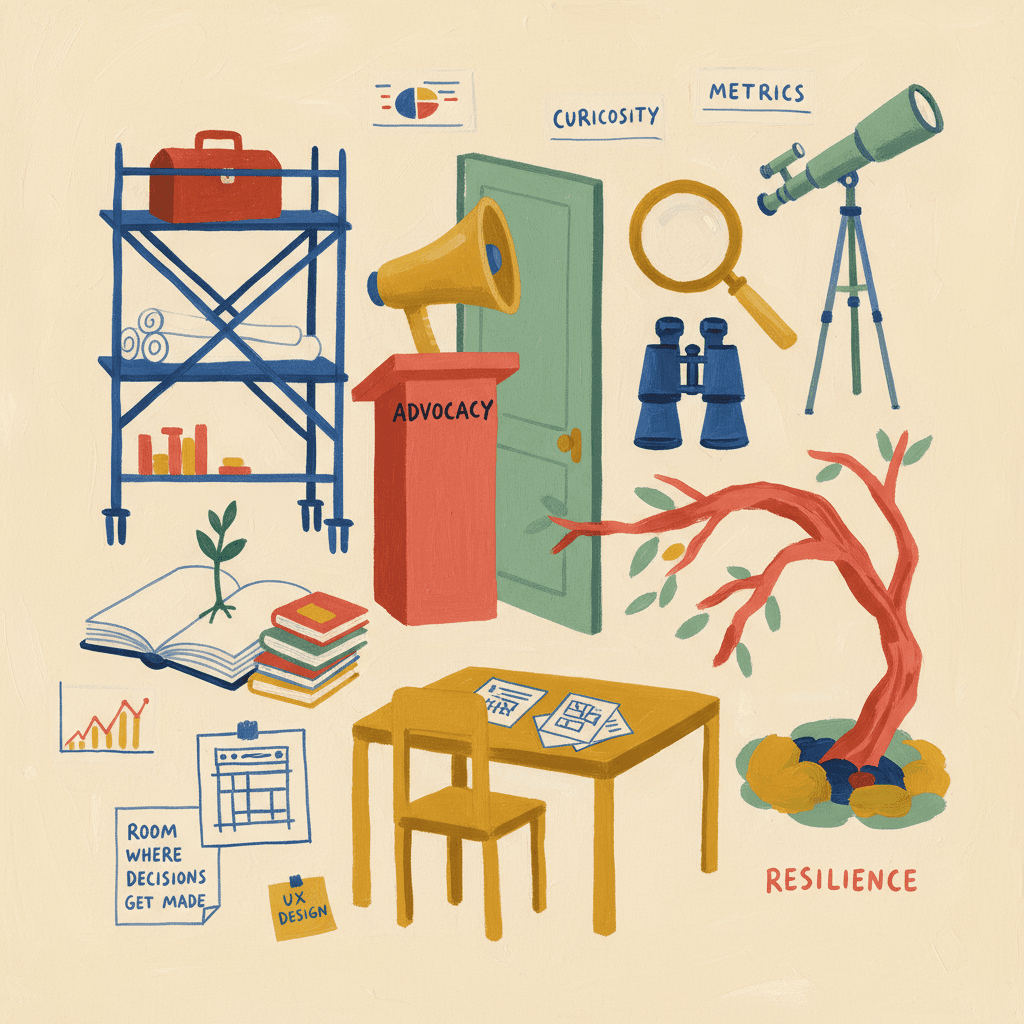
Six years. Multiple reorganisations. One consistent belief
I've managed designers. I've also managed the conditions that make design possible - the access, the credibility, the infrastructure, the belief that UX belongs in the room where decisions get made. Those two things are not the same job. Both matter.
Reshaping how UX worked - not just what UX made.
The bigger shift wasn't the headcount. It was changing what UX meant inside the organisation. When I joined, UX largely operated in isolation - handed briefs, producing outputs, feeding back into a process that had already made most of its decisions. I didn't think that was good enough for the users, and I didn't think it was sustainable for the designers. So I spent a significant part of my time not designing, but advocating. For UX to be in the room when strategy was being set. For UX to sit at the table with business partners, not just internal stakeholders. For UX to be considered relevant to Marketing, Propositions, Sales, Hardware Design - areas where, before, nobody had thought to ask what a designer might bring. That advocacy wasn't always comfortable. But it worked. One UXer from another team described their previous way of working as "the dark UX cave." The goal was to make that impossible to go back to.
Frameworks, metrics, and connecting the dots.
Good intentions don't scale. Alongside the advocacy, I built the infrastructure: frameworks for how the team worked, metrics that connected UX output to business outcomes, goal structures that linked what each designer was doing day-to-day to what the organisation was trying to achieve. The question I kept pushing the team to ask wasn't just "is this good for the user?" but "how does this create value for the business?" Both questions matter. Neither is sufficient on its own. One of the things I'm proudest of: reshaping Ocado's UX design task framework entirely - from something rigid and outdated to something the organisation still uses. I also worked with other UX Managers to create unified visibility at C-level, so that UX wasn't just a function individual product teams knew about, but something leadership had a coherent picture of.
Growing people, not just the team
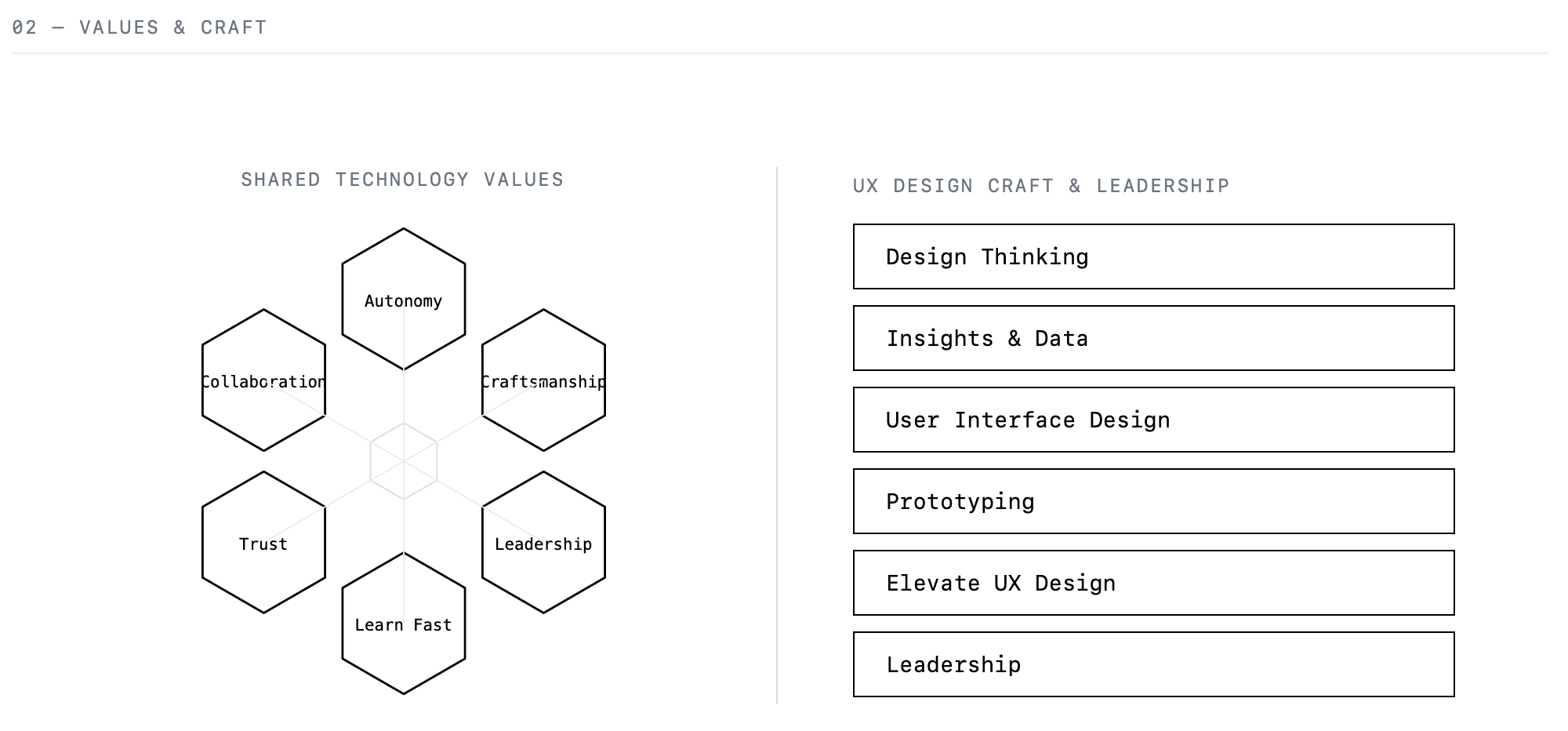
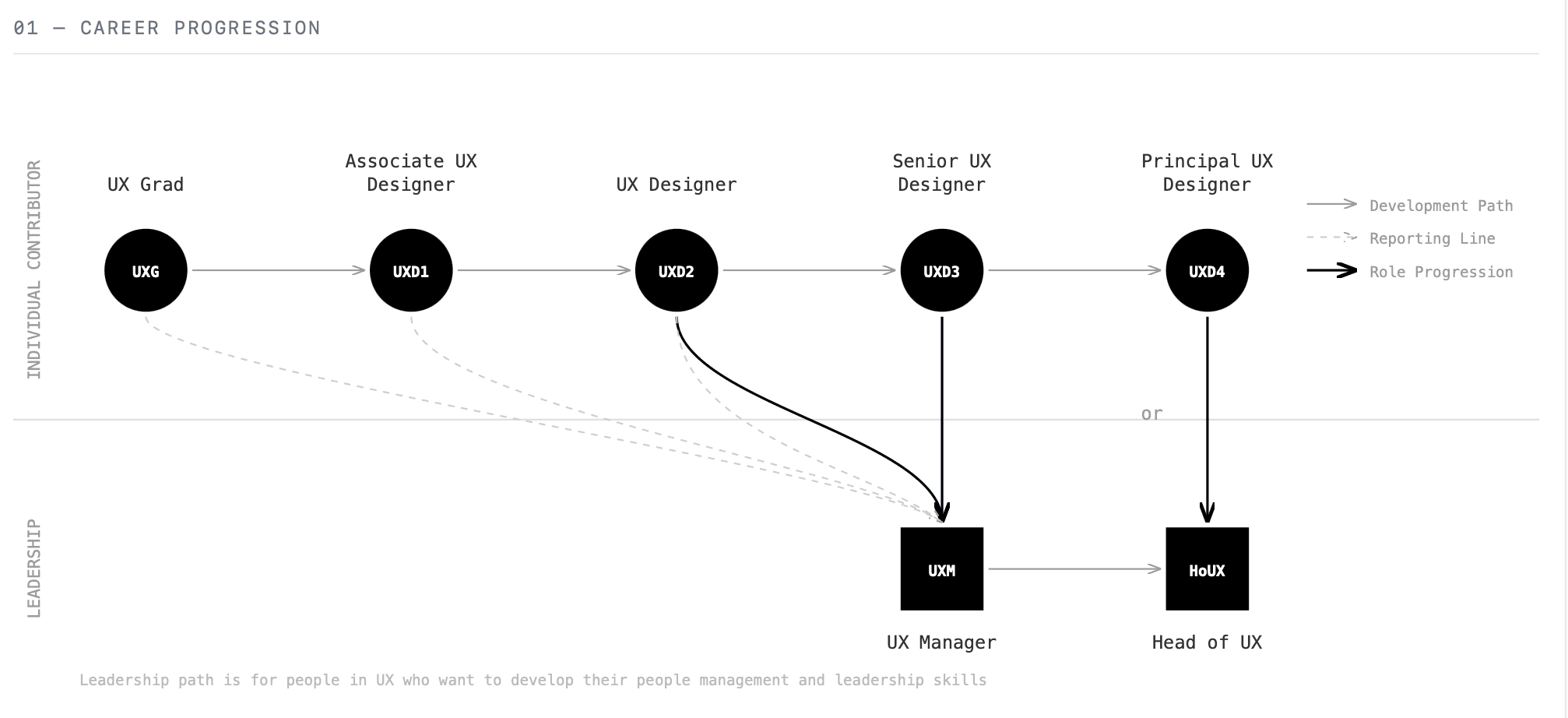
Management, to me, is not the same as oversight. I worked closely with every designer - not to direct them, but to understand how each person worked best, where they wanted to grow, and what was getting in their way. Some people needed more autonomy. Others needed more structure. Some needed to be challenged harder; some needed someone to slow down and listen. I mentored designers from Ocado's grad scheme and joined hiring panels for other UX teams - not because I was asked to, but because growing the wider UX function felt like part of the job. I kept looking for ways for designers across different products and teams to collaborate, so the work didn't become siloed and curiosity didn't quietly die behind a ticket board.
Keeping curiosity alive
The hardest part of managing a team on complex, long-running product work is entropy. Energy drops. Purpose gets harder to see. I pushed hard to get designers out of the building and into the field - on-site visits, partner meetings, in-person research. There is no substitute for watching a real person use something you built, in the environment they actually use it in. It's the fastest way to make a designer better, and the best possible reminder of why the work matters.
Resilience is not a soft skill.
Over six years, Ocado went through more structural changes than I can count. Reorganisations, reprioritisations, new leadership, shifting strategies. That's normal for a technology company at that scale - and entirely destabilising for the people living through it. My job in those moments was to be the steadiest person in the room. Not with false positivity, but with conviction that a team capable of handling uncertainty is more valuable than any roadmap. The conditions I kept coming back to: clarity about what we were trying to do, honesty about what was in our way, and enough psychological safety that people could say when something wasn't working. What I've come to believe is that teams are made of people - not products, not goals, not org charts. With the right approach and a real understanding of the individuals you work with, there is no challenge that can't be met.
The closest thing to a philosophy
UX doesn't add value by existing. It adds value by being embedded - in the decisions that matter, with the people who make them, close enough to the users to know when something is wrong and credible enough in the room to say so. Getting there required building a team that could do that work. Convincing an organisation to let them. And refusing to accept that the way things had always been done was the best way they could be done.