Industry
Automated warehouses
Client
Leadership
CFC Reporting Re:Imagined
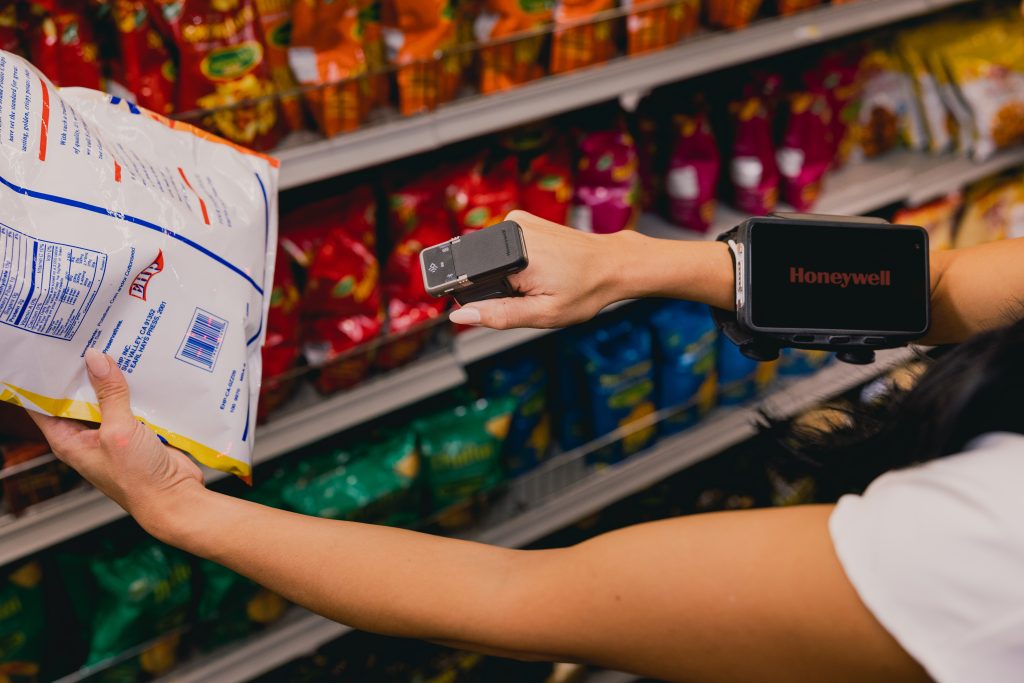
How rebuilding Ocado's in-store fulfilment experience from the ground up - new tech stack, new flows, new team, new design system - turned a picker app into a platform.
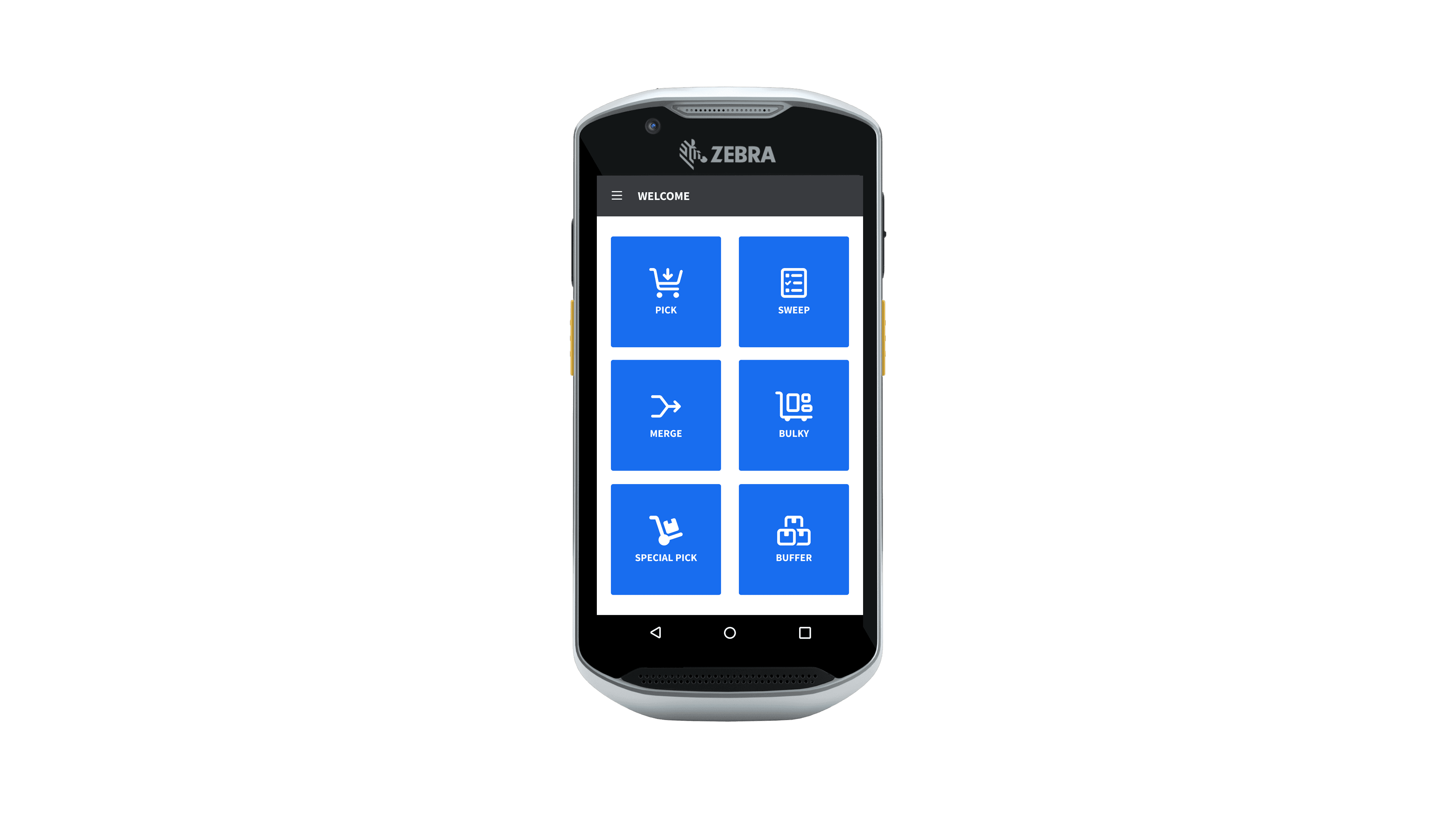
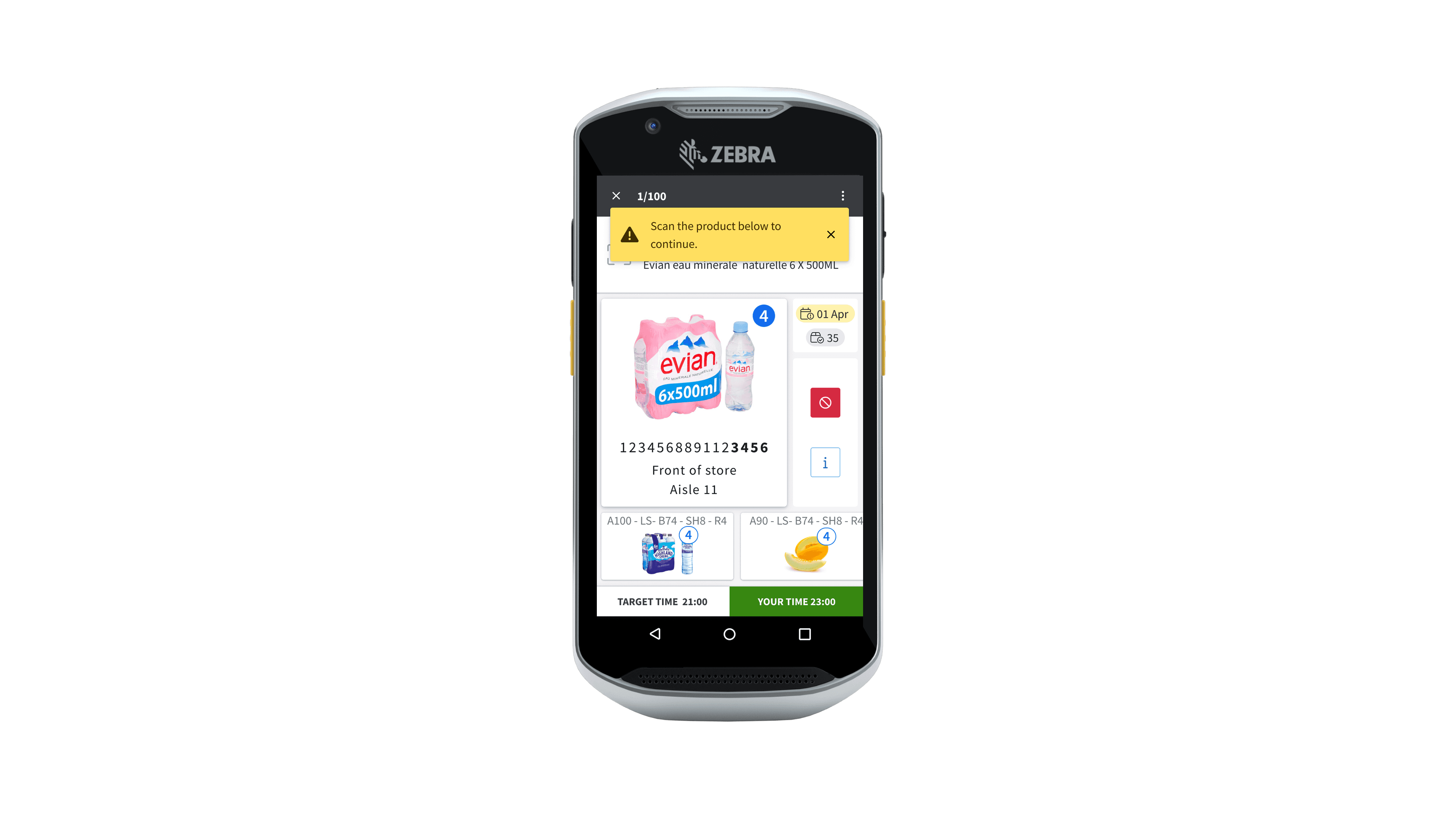
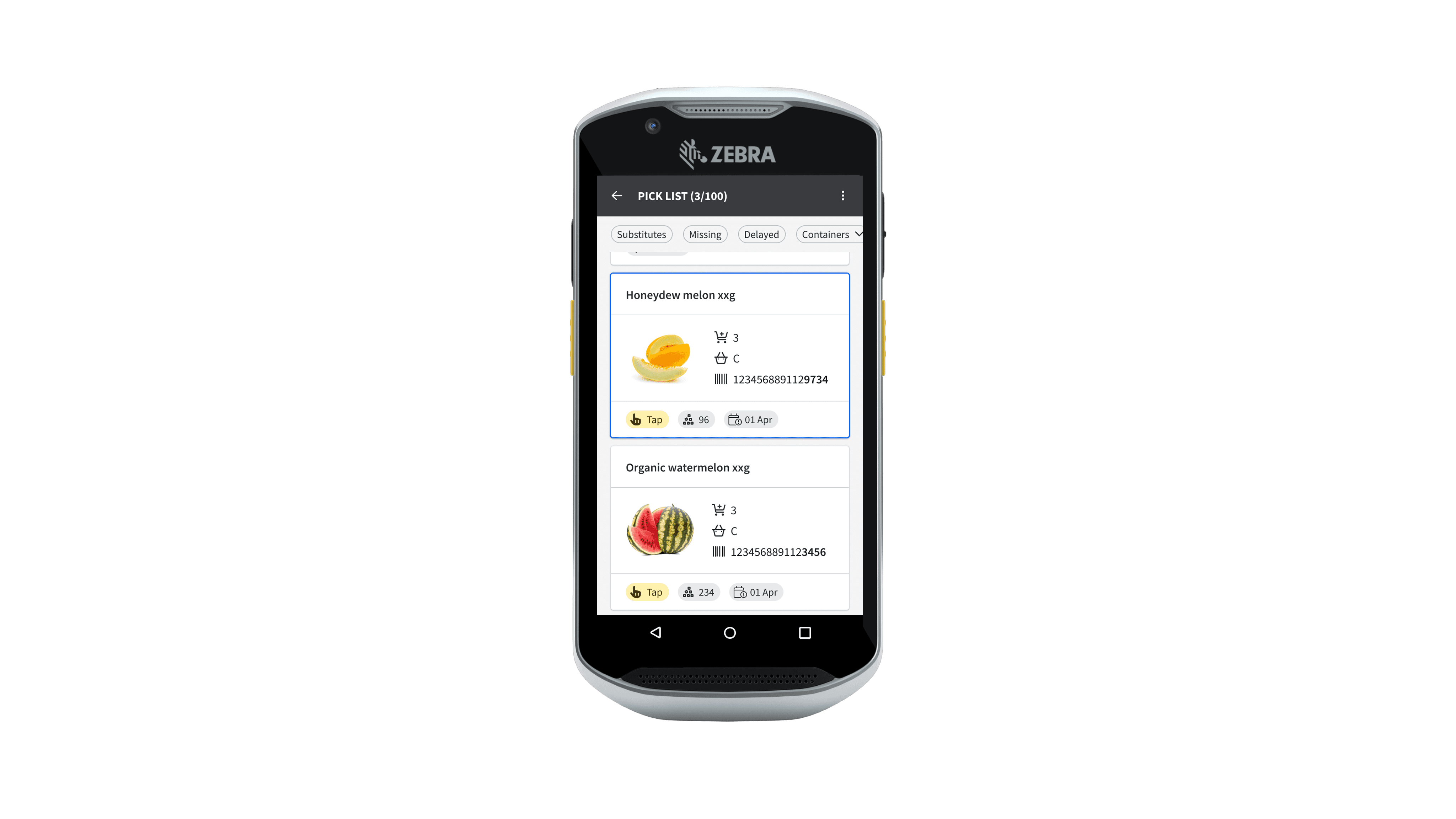
ISF was my first project at Ocado and my first time leading UX at this scale. The product existed - pickers in stores and dark stores around the world were using it every shift to fulfil online grocery orders. But it had grown organically, built on native Android, and it showed. The flows were patchy, the management layer was underserved, and there was no shared design language holding any of it together. The brief was to rebuild it. Not just restyle - fundamentally rework how the product worked, migrate from native Android to PWA, redesign existing flows, introduce new ones, and do it in close partnership with the grocery retailers deploying it across their networks. Oh, and build the team to do it from scratch, because when I joined, that team was one person.
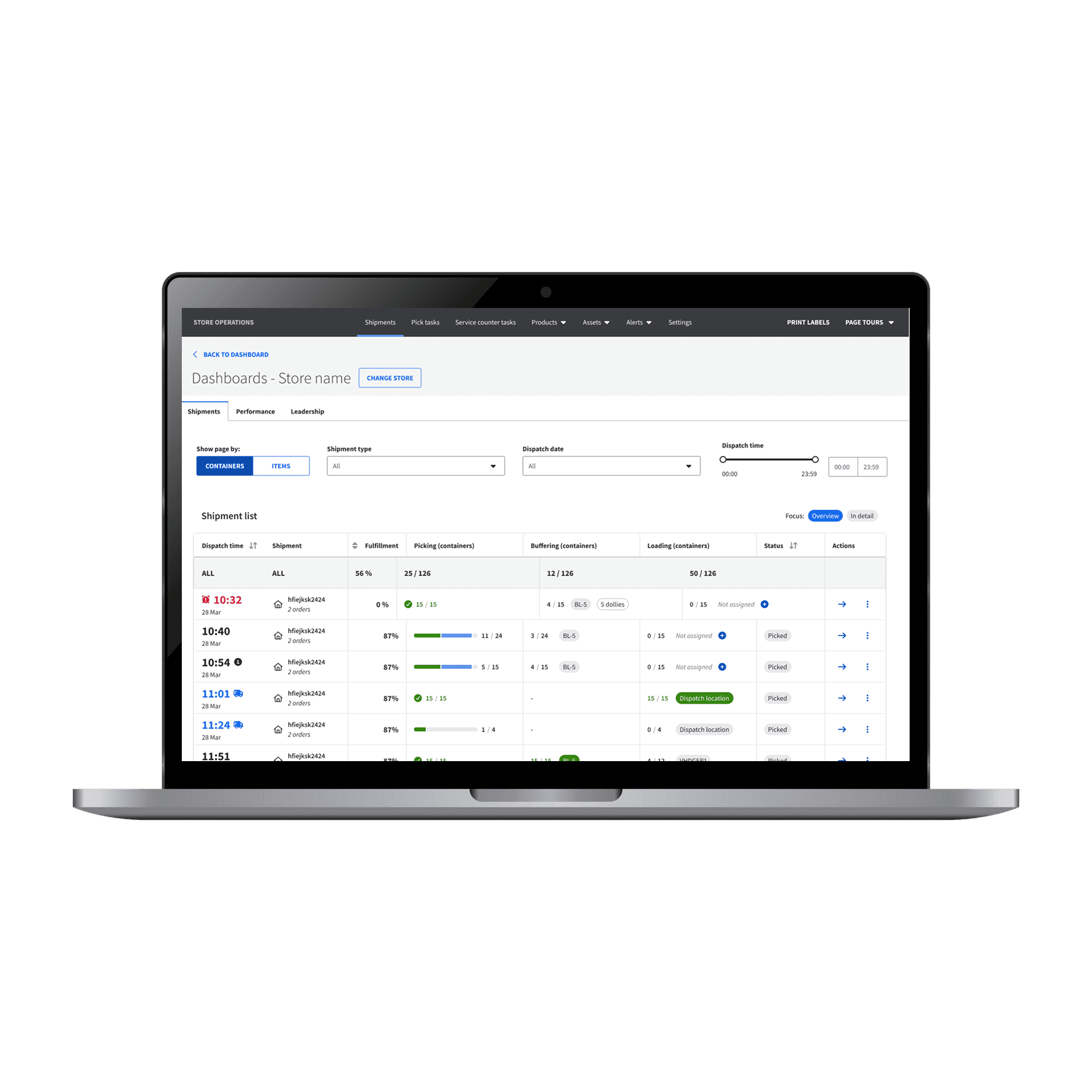
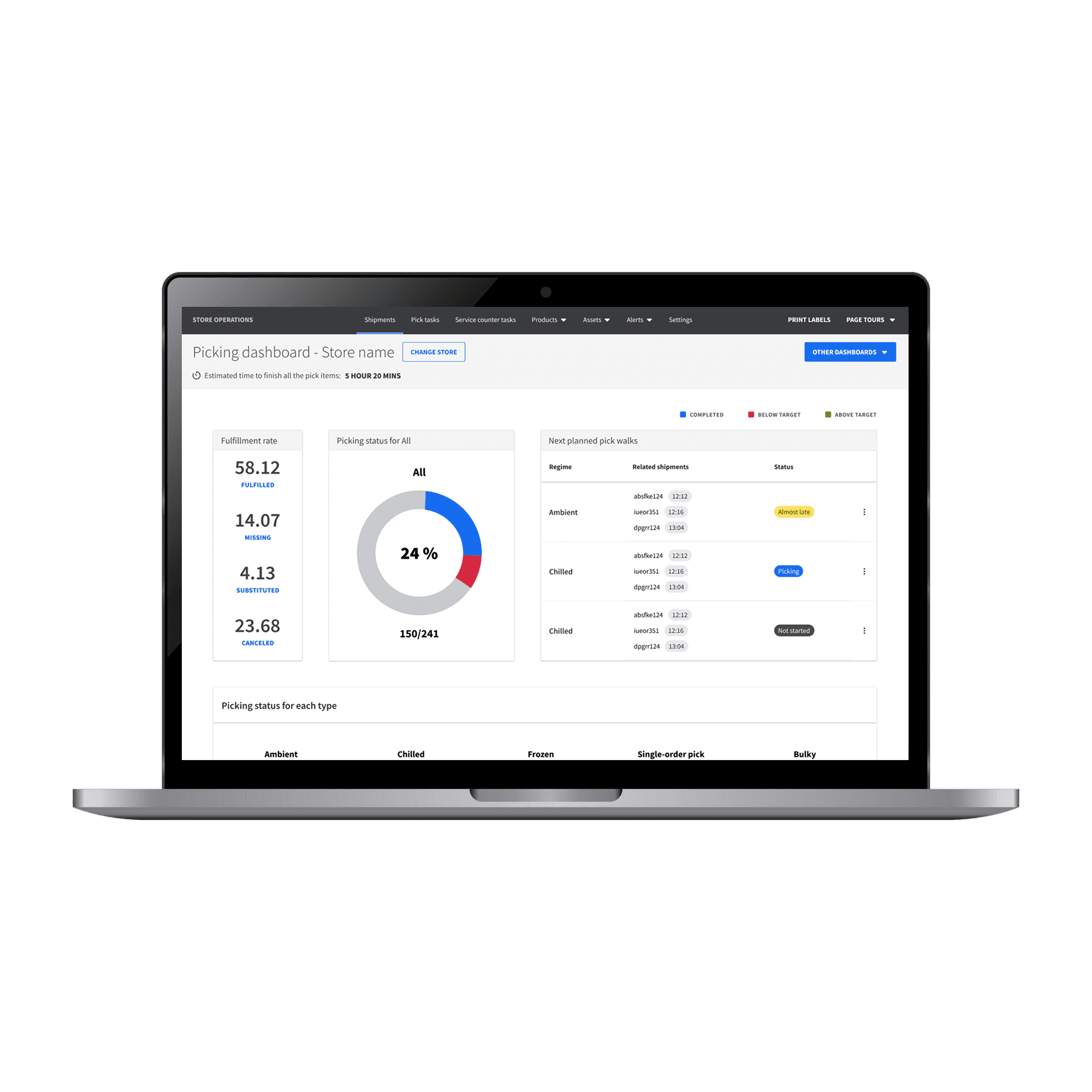
I joined as UX Manager and led the ISF workstream end-to-end - hands-on design, partner liaison, team building, and design system initiation. I grew the team from just me to eight designers and one UX researcher, distributed across London, Wrocław, Kraków, and Sofia. I ran the design system initiative from first principles and led the rethink of Store Operations - the management tooling layer used by store managers to oversee fulfilment performance. I also spent significant time in the field: in-person research and validation sessions with grocery partners across multiple countries, building the kind of trust and continuity that remote research simply can't replicate.
The tech migration from native Android to PWA was the visible challenge. The harder one was underneath it: years of accumulated product debt, flows that had been built feature by feature without a coherent user model, and a management layer that had never really been designed - it had just accreted. Pickers needed a tool that was fast, clear, and unforgiving of ambiguity. Store managers needed something that gave them genuine operational visibility, not just data. ISF wasn't a single product deployed in a single context. It ran across different store formats, different partner networks, different countries - each with their own operational culture and edge cases. Designing something that held across all of that while remaining genuinely usable in each context was the real brief. And we had to build the team capable of doing it while doing it.
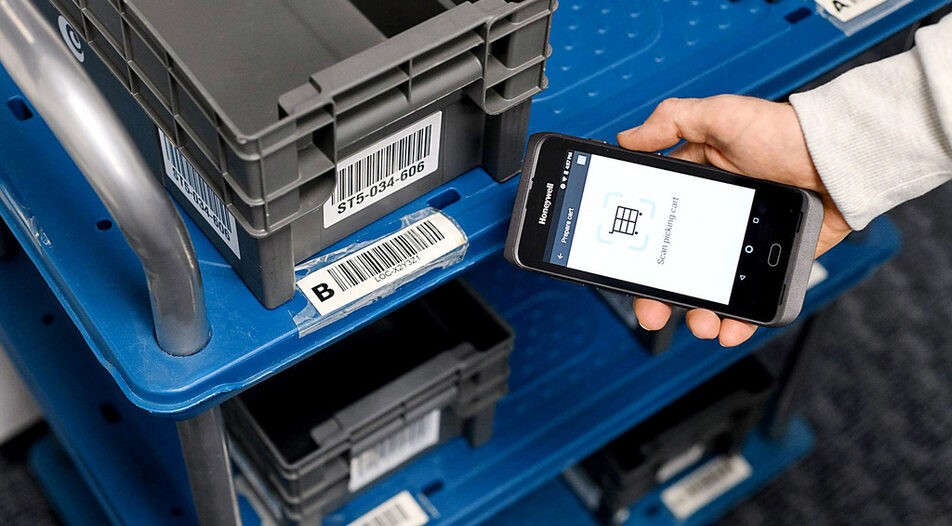
We started with the people using it. I spent time in stores and dark stores with pickers and managers - in person, in context, watching how the work actually happened versus how the product assumed it happened. That gap was significant and clarifying. Partner relationships became a core part of the methodology - and this was new ground for Ocado UX. I'd advocated hard for UX to have a seat at the table where the business was actually happening, not just in internal design reviews. The result was that for the first time, UX was introduced face to face to Ocado's real grocery partners - the retailers making the business decisions. That access hadn't existed before. Getting there required convincing not just Product and Engineering leadership, but Sales, Marketing, and Propositions that having a designer in the room with business partners was an asset, not a liability. It changed how we worked and quietly changed the template for how other UX teams at Ocado operated too. One UXer from another team described their previous way of working as "the dark UX cave." This was the opposite of that. Data was built into the methodology from day one. We worked closely with our Data and Partner Success teams - the on-ground teams who lived inside partner operations - to establish shared best practices for gathering, presenting, and acting on insight. This crystallised into the Efficiency Forum: a bi-weekly session bringing together Product, UX, Data, and Partner Success to share new learnings, surface opportunities and challenges, and iterate from a shared evidence base rather than siloed assumptions. It kept the work honest and grounded in what was actually happening in stores, not what we thought was happening. Building the team in parallel with all of this was its own design challenge. Eight designers across four cities, none co-located, working on a live product with real partner commitments. Getting that to function required as much clarity about how we worked as what we were building.
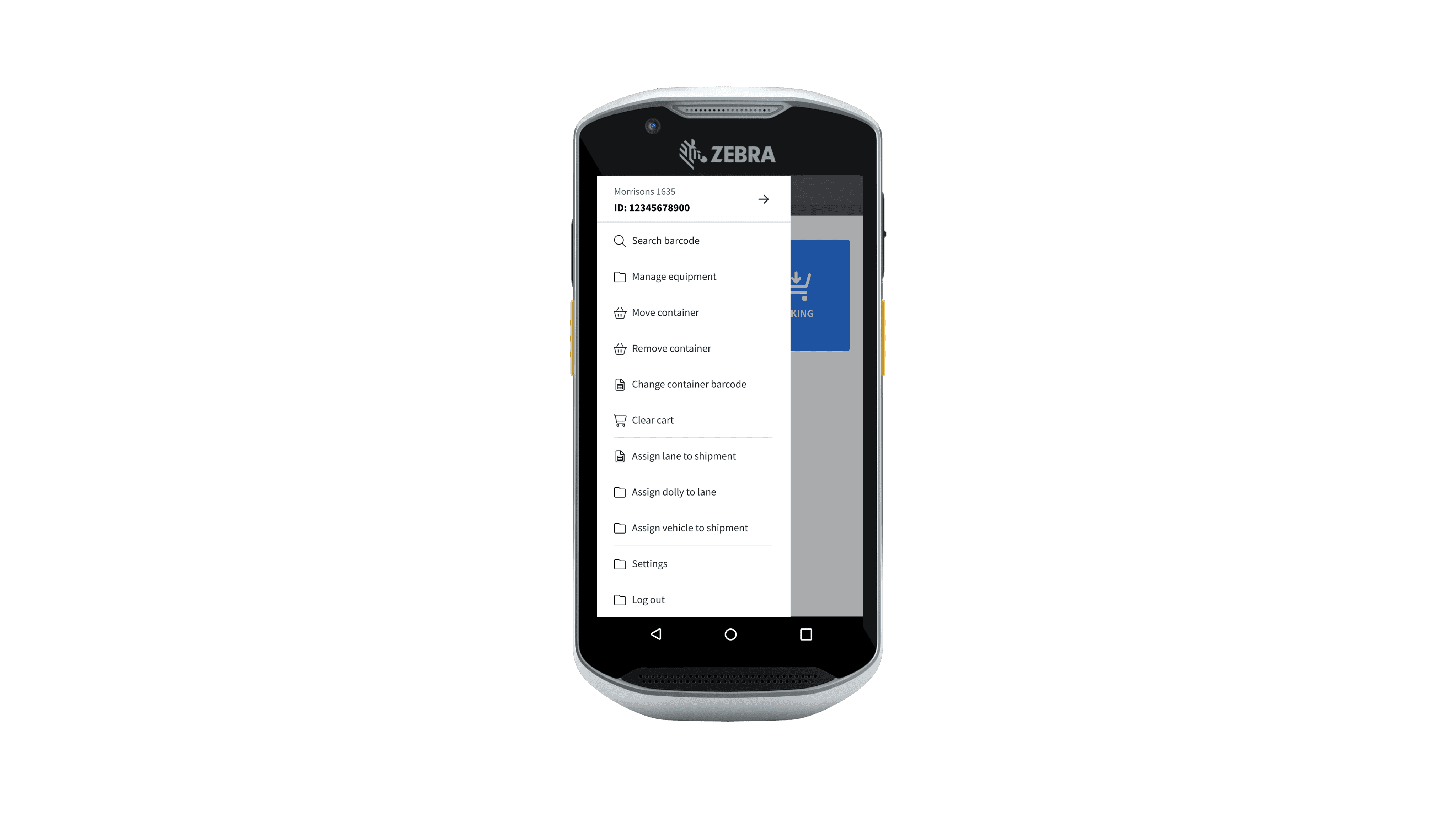
ISF migrated successfully from native Android to PWA without disrupting live partner operations. Reworked picker flows reduced friction at the most common points of failure. New flows - validated directly with partners during the process - extended what the product could do without increasing its complexity. Store Operations gave managers a cleaner, more actionable view of their operation. The design system made it possible to move faster and more consistently across a distributed team working on a live, multi-partner product. The Efficiency Forum became a standing rhythm that outlasted the initial project - a durable feedback loop between data, operations, and design that continued to drive iteration after the core rebuild was complete. And the shift in how UX worked with partners had an impact beyond ISF. UX sitting in the same room as business partners, contributing to commercial conversations, became a reference point for other teams across Ocado. It didn't happen by accident - it happened because the case was made, repeatedly, that design insight and business value aren't separate conversations. The team that didn't exist when I joined was eight designers and a researcher by the time the core work was done - embedded across four cities, working in a shared language, shipping real product.
I'd would have formalised the partner research cadence earlier. The in-person sessions were some of the most valuable work we did, but they happened when the project created space for them rather than being built into the rhythm from the start. Making that structural rather than opportunistic would have caught certain assumptions earlier and saved iteration cycles downstream.
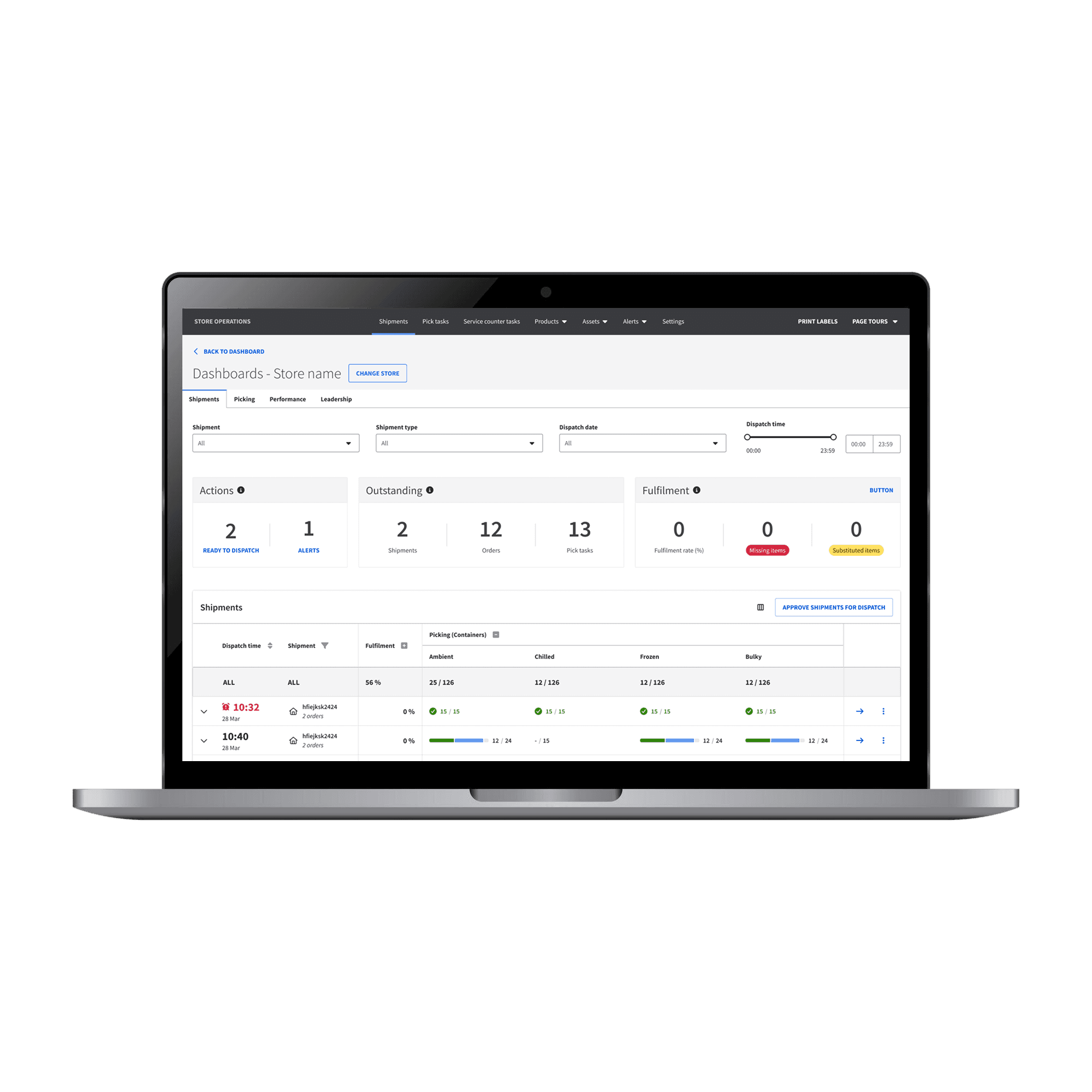
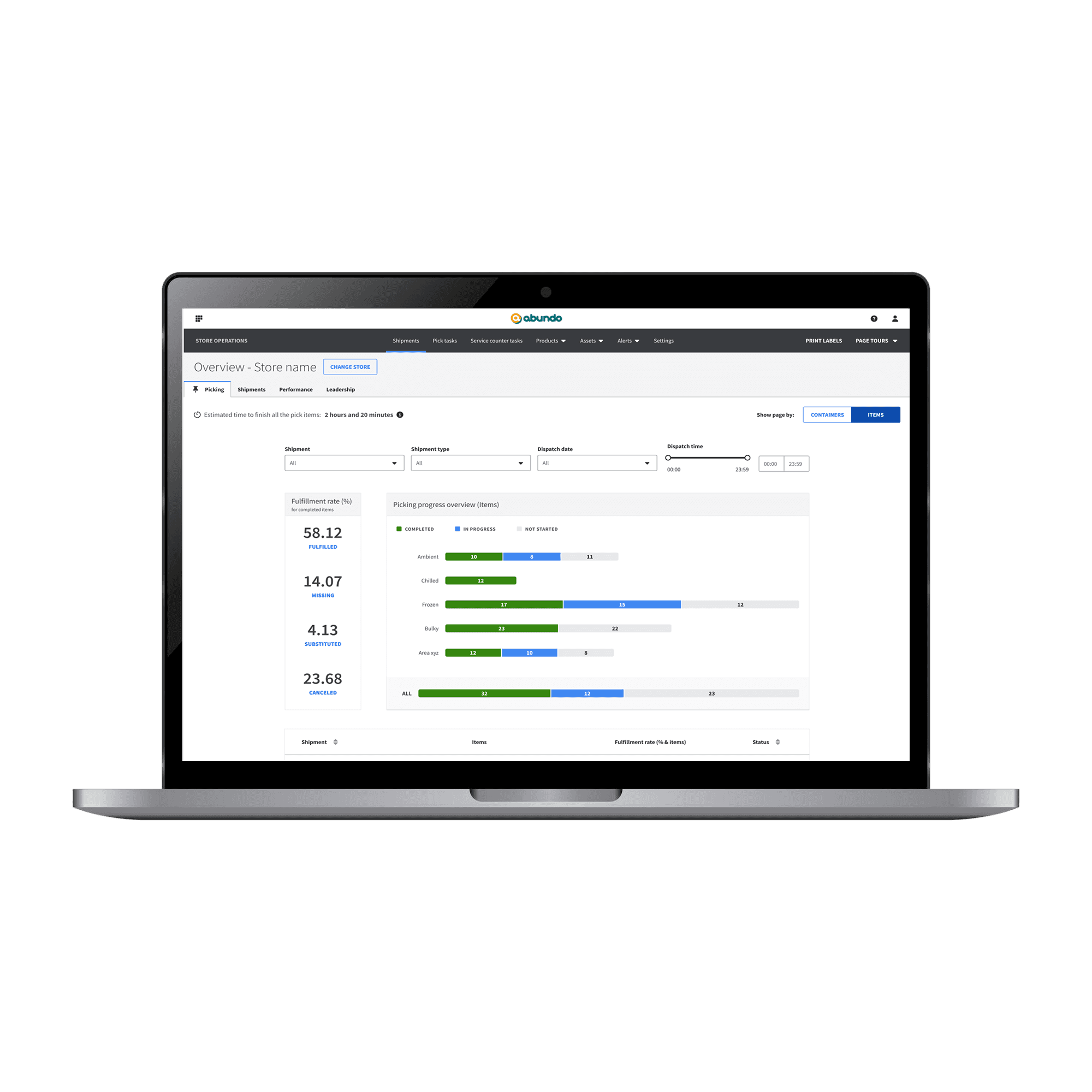
Started solo, grew to 8 designers + 1 UX researcher across London, Wrocław, Kraków, Sofia
UX Manager - team lead, hands-on design, design system initiator, partner research
UX, product design, design systems, management tools, distributed team leadership, in-person partner research
Deployed at scale across stores and dark stores, multiple global grocery partners.